

GLOBAL LOGISTICS
Whatsapp: +86 13510290734
Email: op@sz-junqing.com

Inflation in the United States is far from peaking, and the CPI exceeded expectations in May, setting a new 40-year high again. In order to combat high inflation, the United States plans to implement the largest reform in the maritime sector since 1998.
According to media reports on Saturday, U.S. lawmakers are preparing to tighten regulations on international freight companies, with the White House and U.S. importers and exporters arguing that high freight costs are hindering business development, driving up costs and further fueling inflation.
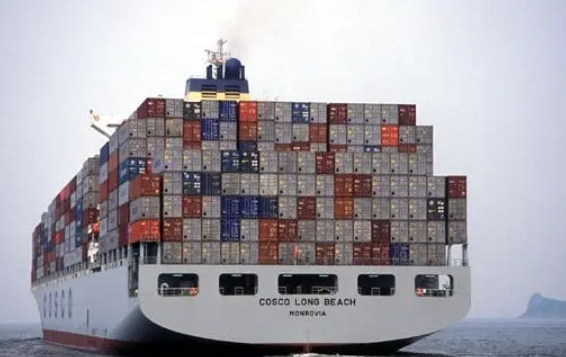
House Democratic leaders said they plan to take a measure already passed by the Senate next week to tighten regulatory restrictions on shipping operations and limit the ability of international freight companies to levy special charges. The bill, known as the Ocean Shipping Reform Act, passed the Senate by voice vote in March. Last year, the House voted 364 to 60 to pass another version of the bill that included stricter regulatory provisions, and House leaders decided in recent weeks to accept the Senate version.
Shipping industry and trade officials say the Federal Maritime Commission (FMC) already has the power to implement many of the law's enforcement tools, and the White House is planning to incorporate details into law that will prompt regulators to take action.
The bill will make it harder for international freight companies to refuse export cargoes, which over the past two years have sent large numbers of empty containers back to Asia to earn more ocean freight, leading to a shortage of containers in North America.
The bill passed by Congress is the largest overhaul of shipping rules since 1998. The World Shipping Council said it would wait until Congress passed the bill before commenting on it.
Regulatory reform could have unintended consequences for the shipping industry, said Christine Mdaniel, a senior fellow in international trade at George Mason University's Mercatus Center, and she was concerned about rules designed to prevent international freight companies from unreasonably reducing exports.
How Much does it Cost to Ship from China to Syria
2025-02-24
Shipping Freight from China to UAE Shipping Options to United Arab Emirates from China: How to choose? Shipping Cost & Delivery Time to United Arab Emirates from China
2026-09-02

More →

More →
More →
More →

More →
More →
More →