

GLOBAL LOGISTICS
Whatsapp: +86 13510290734
Email: op@sz-junqing.com
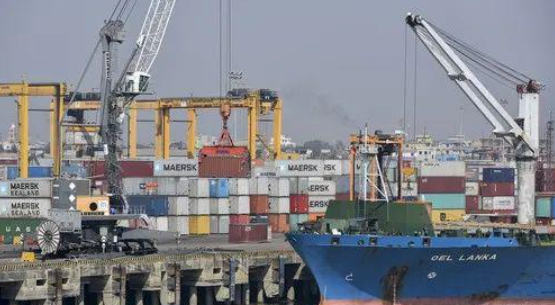
According to One Shipping, due to the recent record high market price of fuel oil in Bangladesh, the country's freight forwarders have increased the freight rate per import bill by 57%, which has also caused protests from importers and garment exporters.
The freight forwarder argued that the fee, the destination service charge, had not changed since 2014.
"During a long period of time, the cost of running a business has increased several times due to the increase in the prices of water, gas, electricity, gasoline, diesel, etc., while the Delivery Order (D/O) fee of freight forwarders has not increased," Bangladesh Freight Forwarders Association (BAFFA) chairman Kabir Ahmed said.
In a recent letter to members of the association, he also wrote that the recent, unprecedented increase in gasoline and diesel prices on August 6, 2022 has resulted in a significant increase not only in transportation costs, but also in the overall cost of doing business, "We have no Choose, only increase the D/O fee.”
Since 2013, BAFFA has been charging $35 per import bill as a transshipment fee, and now the association has decided to increase it to $55.
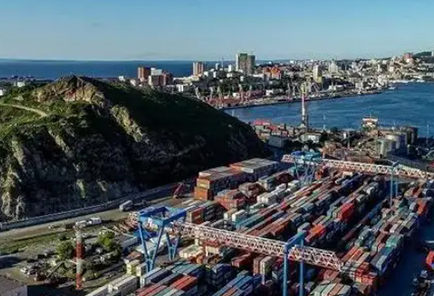
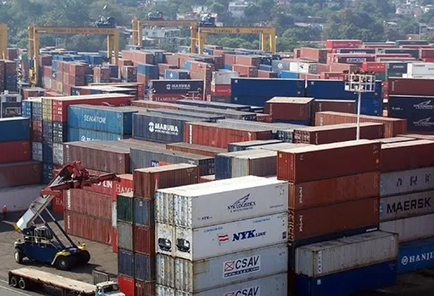
In the 2021-22 fiscal year, the port handled 1.65 million TEUs of import containers, out of a total throughput of 3.25 million TEUs including export and empty containers.
The Bangladesh Garment Manufacturers and Exporters Association (BGMEA) is a major user of the Chittagong port - through which raw materials are imported and finished goods are exported, so they strongly protested against the BAFFA rate hike.
In separate letters to the Bangladesh Shipping Department, the Chairman of the National Revenue Service, the Chairman of the Chittagong Port Authority, the Commissioner of Chittagong Customs and the Chairman of BAFFA, Kabir Ahmed, the garment manufacturers asked for the decision to raise the charges to be reversed.
The BGMEA said the arbitrary realization of $35 per import document compared to the $20 mandated by the Shipping Department has allowed BFFA members to overcharge apparel exporters by $189 million over the past eight years.
In addition, the top clothing agency said in the letter that if the 57 percent increase in shipping rates remains in effect, apparel makers will have to pay an additional $55 million a year.
Abul Kalam Azad, a garment exporter in Narayanganj, noted: “The increase in freight rates is a fresh blow to garment manufacturers who have seen a sharp drop in work orders over the past few months.
Shipping Freight from China to UAE Shipping Options to United Arab Emirates from China: How to choose? Shipping Cost & Delivery Time to United Arab Emirates from China
2026-09-02
Shipping Costs from China to Turkey Shipping from China to Turkey is supported by well-established sea, air, and DDP logistics channels. Sea freight primarily serves ports such as Istanbul, Izmir, Mersin, and Gemlik, while air freight mainly arrives at Istanbul Airport (IST) and Sabiha Gökçen Airport (SAW).
2026-08-27

More →
More →
More →
More →
More →
More →
More →