
GLOBAL LOGISTICS
Whatsapp: +86 13510290734
Email: op@sz-junqing.com
Regarding your renewed question about "China to Dubai sea and air freight," and considering the latest market developments (as of March 11, 2026), I must first emphasize an extremely important and urgent matter that directly affects the smooth dispatch of your goods.
⚠️ Urgent Reminder: Middle East Situation Causes Severe Disruptions to Shipping (Updated March 11, 2026) Due to recent geopolitical conflicts, tensions in the Strait of Hormuz have significantly impacted shipping from China to Dubai. If you plan to ship soon, please be sure to understand the following key changes:
Shipping is almost at a standstill, and freight rates are soaring: Many major shipping companies (such as MSC, Hapag-Lloyd, and OOCL) have suspended accepting new bookings to the Persian Gulf (including Dubai). Freight rates on still operating routes have skyrocketed, with weekly increases on the Persian Gulf route exceeding 72% at one point. Some shipping companies are also charging high emergency surcharges (up to $4,000 per container). A large number of vessels are waiting or diverted at sea, resulting in reduced capacity and severe delays.
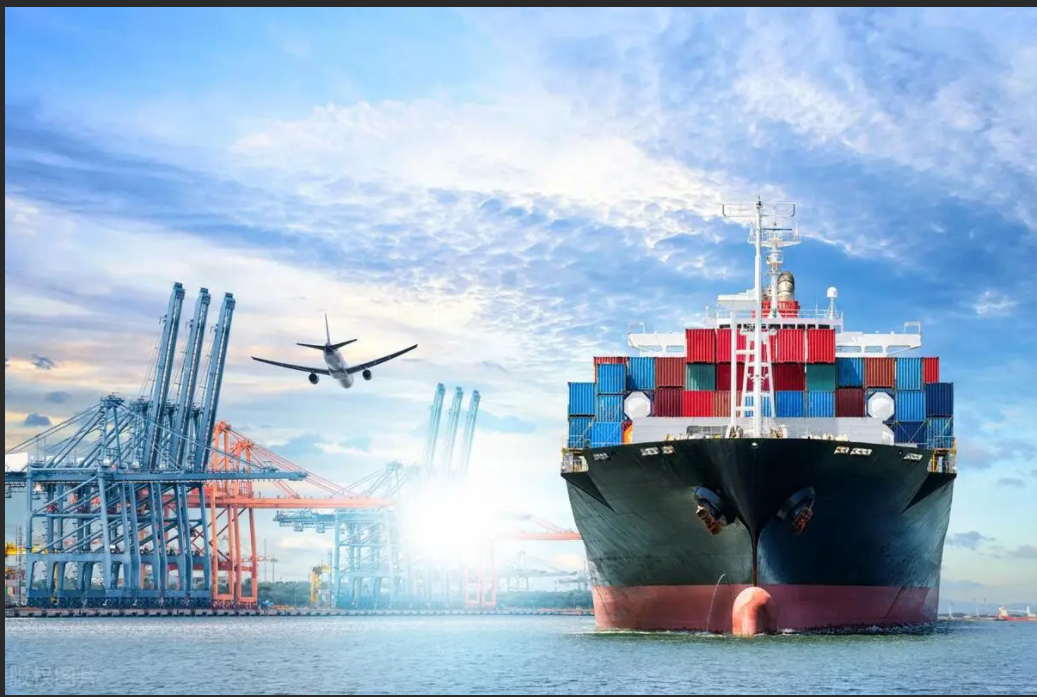
Air freight is relatively stable, but capacity is reduced: Air freight prices are currently relatively stable, with freight rates for goods over 1000 kg around $3.5-4.0/kg. However, due to the closure of airspace by many Middle Eastern countries, the number of flights between China and the Middle East has plummeted by over 70%, resulting in an overall decrease in air freight capacity of approximately 16%-18%. This means that cargo space is extremely tight, and advance booking is necessary.
Given the above-mentioned emergency situation, choosing air freight may be a more reliable option at present. The following is a detailed comparison based on the latest market conditions for your decision-making reference.
Step 1: Initial Assessment Based on the Urgency and Type of Goods
If your goods are: furniture, machinery, or large quantities of inventory that are not urgently needed (can be stored for more than a month):
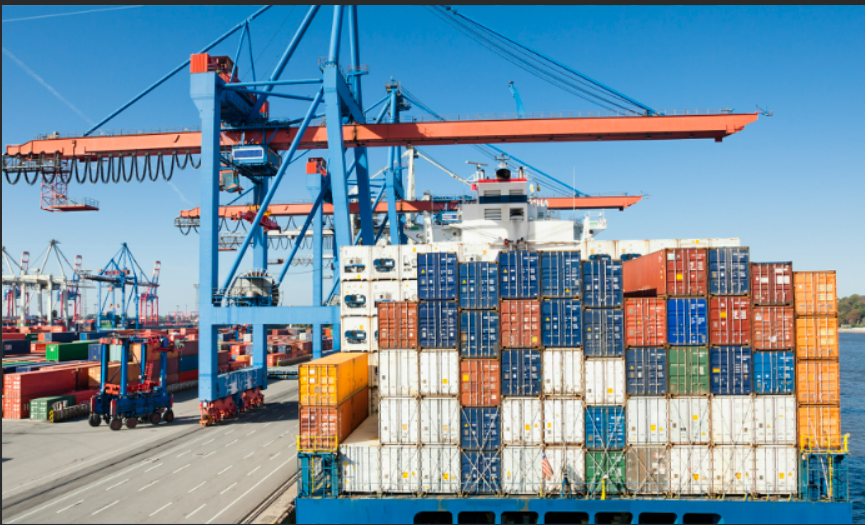
Choose sea freight: Cost is king. This is the most economical option. If your goods are large enough, choose Full Container Load (FCL); if the volume is small (e.g., 1-2 cubic meters), Less than Container Load (LCL) is also cost-effective.
If your goods are: samples, electronic products, e-commerce replenishment, or goods urgently needed for production (must arrive within a few days):
Choose air freight: Timeliness is paramount. Although expensive, it can be a lifesaver in emergencies, avoiding greater losses due to stockouts or delays.
Step 2: Calculate Hidden Costs and Be Wise
Sea freight: Don't just look at the sea freight rate! You also need to consider the port's demurrage period (Jebel Ali Port usually only has 7 days), which will incur high demurrage fees. Additionally, truck delivery fees from the port to your doorstep are also an expense.
Air Freight: Note that air freight is charged based on "chargeable weight," meaning the greater of the actual weight and volumetric weight (length/width/height/6000) will be charged. This is very uneconomical for bulky items like sofas and down jackets. Be sure to ask your freight forwarder whether the quoted price includes fuel surcharges, customs clearance fees, delivery fees, and any potential remote area surcharges.
Step 3: Handling Customs Clearance and Avoiding Pitfalls
Dubai customs clearance is a pain point for many, so be sure to prepare in advance:
Core Documents: Bilingual (English/Arabic) commercial invoice, packing list, certificate of origin. Invoice information must be true and accurate; underreporting the value of goods may result in a penalty of up to 15%.
Special Certifications:
All electronic products (mobile phones, batteries): TRA certification is required.
Food, cosmetics, and toys: ESMA certification is usually required; food also requires Halal certification.
Taxes: Most goods have a customs duty of 0-5%, plus a flat 5% Value Added Tax (VAT).
In summary, sea freight is the mainstream option for most general cargo, but it is essential to book space in advance and confirm all surcharges. For high-value, urgent, or sample shipments, air freight is the only reliable option. It is recommended that you contact several freight forwarders with local customs clearance resources in Dubai, providing them with the specific name, volume, weight, and delivery time requirements of your goods to obtain a comprehensive door-to-door quote before making a final decision.
DDP offers both air and sea freight options. Air DDP offers faster delivery times and is suitable for high-value or urgently needed goods. Sea DDP is suitable for large, heavy goods, offering lower shipping costs but longer shipping times. For fast-moving consumer goods or e-commerce packages, the DDP parcel service can be combined with international express delivery channels for improved delivery efficiency.
When doing import customs clearance in UAE, you need to prepare the following documents:
Shipping Freight from China to UAE Shipping Options to United Arab Emirates from China: How to choose? Shipping Cost & Delivery Time to United Arab Emirates from China
2026-09-02
Shipping Costs from China to Turkey Shipping from China to Turkey is supported by well-established sea, air, and DDP logistics channels. Sea freight primarily serves ports such as Istanbul, Izmir, Mersin, and Gemlik, while air freight mainly arrives at Istanbul Airport (IST) and Sabiha Gökçen Airport (SAW).
2026-08-27

More →
More →
More →

More →
More →
More →
More →