

GLOBAL LOGISTICS
Whatsapp: +86 13510290734
Email: op@sz-junqing.com
Alphaliner, a well-known consulting firm in the industry, said in its latest analysis that based on the data from May 1st to May 15th, the three major shipping alliances on the Asia-Nordic route can no longer guarantee normal shipping schedules, and forwarding companies need to be on each loop route. 3 more ships can be added to maintain the frequency of weekly shifts.
The data showed that during this period, ships on the Asia-Northern Europe route returned to China an average of 20 days later than scheduled.
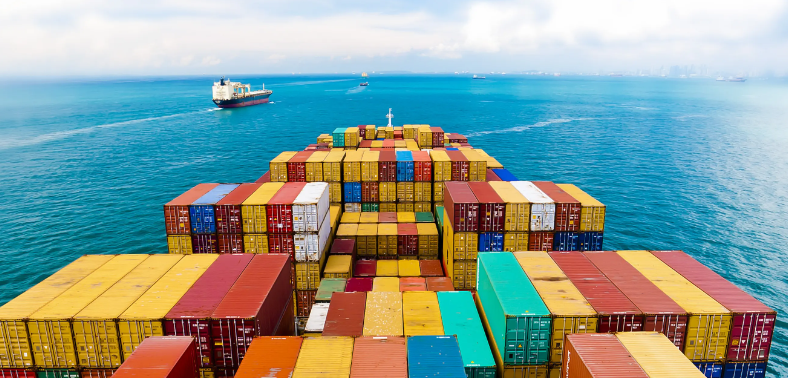
Alphaliner analysis believes that most of the delay time is spent waiting for ships in Nordic ports.
In this regard, Alphaliner explained: "Currently, the yard density of Nordic terminals is very high, and inland transportation is also experiencing bottlenecks. These two factors are increasing port congestion."
According to Alphaliner analysis, during the statistical period, among the 27 round-trip voyages arriving in China, the Ocean Alliance had the lowest level of delay, with an average delay of 17 days, followed by the 2M Alliance with an average delay of 19 days, and THE Alliance with the worst performance, with an average delay of 32 days. sky.
In response to the longest delay in THE Alliance, Alphaliner explained: "Because they strictly adhered to the sailing schedule, no ports were skipped."
To further illustrate the extent of the ship's delay, Alphaliner tracked a 20,170TEU larger vessel owned by ONE.
The round, which operates on the FE4 loop of THE Alliance, departed from Qingdao on February 16 and was originally expected to arrive in Algeciras on March 25 and leave Northern Europe on April 7. However, due to delays, the ship did not arrive at Algeciras until April 2, docked in Rotterdam from April 12 to 15, and encountered severe congestion in Antwerp from April 26 to May 3, and finally ended in May. Arrived in Hamburg on the 14th.
The ship is expected to depart for Asia in the next few days, a full 41 days later than originally planned.
Regarding Alphaliner's findings, a forwarding company said it was mainly due to an increase in the detention time of import containers due to labour shortages at ports and a lack of transport capacity.
Shipping Freight from China to UAE Shipping Options to United Arab Emirates from China: How to choose? Shipping Cost & Delivery Time to United Arab Emirates from China
2026-09-02
Shipping Costs from China to Turkey Shipping from China to Turkey is supported by well-established sea, air, and DDP logistics channels. Sea freight primarily serves ports such as Istanbul, Izmir, Mersin, and Gemlik, while air freight mainly arrives at Istanbul Airport (IST) and Sabiha Gökçen Airport (SAW).
2026-08-27

More →

More →
More →
More →
More →
More →
More →